Vase: A Fresh-Flower Embroidery Design Built for Craft Fair Sales
When I first opened the embroidery file for Vase, I was looking at it through the same lens I use before every weekend craft fair: will this design stop a shopper in their tracks, and can I produce enough of them to make a profit? As someone who has stitched thousands of machine embroidery designs for market booths, I know that a single-flower motif can either feel generic or become a bestseller. Vase leans strongly toward the latter. It reads as a clean, cheerful, and slightly farmhouse-inspired piece that fits into the sweet spot of what handmade shoppers want right now—botanical decor that feels fresh without being fussy. The title alone, "Vase," suggests a contained, composed arrangement, not a sprawling wildflower mess. That restraint is exactly what sells well on finished products that need to appeal to a broad audience.
First Impressions: Is Vase Bold, Pretty, or Premium?
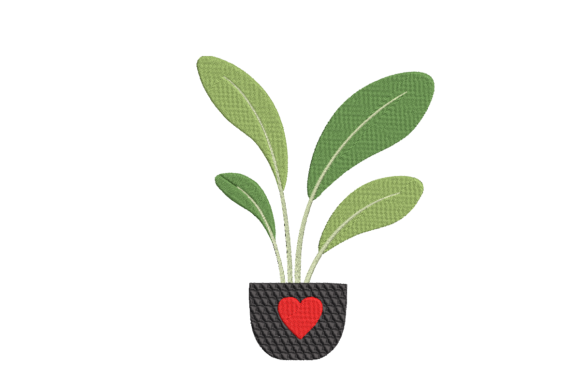
My first impression of this machine embroidery design is that it walks a careful line between cute and elegant. It is not overly rustic or shabby chic, nor is it stiffly formal. The plant motif suggests a living, breathing houseplant or a simple cut flower arrangement, which gives it a versatile personality. It feels soft and approachable, the kind of design that would make a customer smile without being saccharine. For a craft fair product, that is gold. You want something that draws people in from three feet away, and Vase has that gentle pull. The Single Flowers category is crowded, but this design distinguishes itself by offering a complete composition—vase and plant together—rather than just a lone bloom. That gives it a more finished, intentional look on a handmade product.
Where Vase Shines Brightest on Your Booth Table
Picture your booth table: you have tote bags hanging from hooks, apron embroidery samples draped over a rack, tea towel embroidery folded in a wooden crate, embroidered patches pinned to a banner, and small pouches clustered near the register. Vase performs exceptionally well on several of these formats, but I want to give you honest guidance on where it makes the biggest impact.
Tote Bags and Market Bags
This is where Vase truly feels at home. A centered placement on a cotton or canvas tote creates an instant gift item. Shoppers looking for a present for a plant-loving friend will grab this without hesitation. The design reads clearly at a glance, and the vertical orientation of a vase motif naturally fits the center panel of a tote. I would recommend testing it in a 4x4 or 5x7 hoop size, depending on your bag dimensions. The stitch density feels manageable for midweight canvas, and the thread colors pop nicely against natural or neutral bag backgrounds.
Apron Embroidery
Aprons are a staple at craft fairs, and Vase works wonderfully as a tote bag design or apron front piece. I would place it on the chest pocket area or slightly lower on the bib. The design is not so large that it overwhelms a smaller apron, but it has enough presence to be noticed. Baker aprons, gardening aprons, and hostess aprons all benefit from this botanical motif. I have found that customers who buy aprons with floral embroidery often buy them as gifts for themselves or for friends who love to cook or garden.
Tea Towel Embroidery
Tea towels are one of the highest-margin handmade products you can offer, and Vase is an excellent candidate for this format. The design fits well on a standard tea towel half-panel, and the crisp lines of the vase and plant matter hold up against the textured weave of linen or cotton. I would caution you to check your stabilizer choice here—tea towels can be stretchy or have a loose weave, so a tear-away or cut-away stabilizer will keep the stitches from puckering. The design does not rely on tiny, fragile details, so it should withstand the slightly uneven surface of a towel.
Embroidered Patches
If you sell embroidered patches at your booth, Vase can be a strong addition to your lineup. A patch version of this design would appeal to shoppers who want to personalize their own jackets, backpacks, or pouches. Because the design is not overly dense, it should sew out cleanly on patch fabric. I would recommend testing a small-scale version to ensure the vase shape remains recognizable at a smaller size. Patches are a great way to offer a lower-price-point item while still showcasing the design.
Pillow Covers and Small Pouches
Pillow covers are a popular craft fair product for home decor shoppers. Vase stitched onto a linen or cotton pillow front creates a soft, inviting accent piece. The design feels appropriate for a throw pillow without being too loud. For small pouches—cosmetic bags, pencil cases, or gift card holders—the design works as a central motif. Just be mindful of the hoop size required for the smallest pouch you want to offer. You may need to scale the design down slightly, but the overall shape should remain intact.
Practical Selling and Production Points
From a production standpoint, Vase is a design that you can replicate efficiently for batch production. The thread colors are not overly complex—likely a few greens for the plant, a neutral or soft color for the vase, and perhaps a subtle accent tone. This keeps your thread inventory manageable and your hooping time short. For a busy weekend market, you need designs that you can stitch out quickly without constant thread changes. Vase fits that requirement well.
When it comes to photographing your finished products for Etsy seller listings or social media, this design photographs beautifully. The soft, natural shapes create a pleasing visual that does not require heavy editing. I recommend using natural light and a neutral background to let the embroidery speak for itself. A printable mockup can help you visualize placement on different product types before you commit to stitching, but nothing replaces a real stitched sample for your booth display.
One of the key questions I ask myself about any digital embroidery file is whether it feels repeatable for batch production. Vase passes this test. The stitch count is likely moderate, the design is not overly reliant on tiny details that could break down during repeated hooping, and the overall composition is forgiving. You can stitch ten of these in a row without feeling like you are fighting the machine.
Careful-Use Notes for the Embroidery Designer
No design is perfect for every surface, and I want to give you honest notes about where Vase may need extra attention. First, consider the stitch density in the vase area. If the vase has solid fill stitching, it may become stiff on lightweight fabrics. Test it on a scrap piece of your intended fabric before committing to a full run. On thick fabric like denim or heavy canvas, the density is usually fine. On lightweight cotton or linen, you may need to use a lighter stabilizer or reduce the density slightly in your software.
Second, the design should be reviewed carefully for any tiny details that could be lost at smaller sizes. If you plan to stitch Vase in a mini hoop for a patch or a small pouch, check that the leaves and vase shape remain clear. I have seen too many beautiful designs lose their charm when scaled down past their intended size. Always test your smallest intended hoop size before you list finished products.
Third, consider the fabric texture of your chosen product. On smooth fabrics like cotton or linen, the design will shine. On heavily textured fabrics like burlap or thick towels, some of the finer details may disappear into the weave. For tea towel embroidery, I recommend using a medium-weight towel with a tight weave. For apron embroidery, most cotton or poly-cotton blends work well.
Fourth, if you are embroidering onto dark fabric, be aware that the thread colors may need adjustment. The description mentions "fresh and colorful," but if the vase or plant uses light or pastel tones, they may not show up well on black or navy backgrounds. I recommend testing a white or cream thread bobbin underneath and using a bright top thread to ensure contrast. You can also use a stabilizer that matches your fabric color to avoid show-through.
Fifth, for curved cap surfaces or small rounded items like pouches, the design may need to be positioned carefully to avoid distortion. The vase shape is relatively simple, but any design with a clear vertical axis can shift on a curved surface. Hoop with care and use a floating method if necessary to keep the fabric taut.
Visual Appeal, Customer Attention, and Booth Display Strength
In a crowded craft fair, your booth needs to grab attention within seconds. Vase contributes to a cohesive booth display because it fits a botanical theme that many shoppers find calming and aspirational. I have noticed that designs featuring plants or flowers tend to slow shoppers down—they stop to look, then they touch the fabric, and then they ask about the design. Vase has that tactile appeal. The combination of a recognizable vase shape and a lively plant creates a visual anchor that draws the eye.
For brand consistency, if you offer multiple botanical designs, Vase can be part of a collection. Grouping similar styles together on your booth table signals to customers that you have a curated line of design assets. This can increase the perceived value of each item and encourage multiple purchases. Shoppers often buy a tote and a tea towel together if they see a matching theme.
When it comes to buyer engagement, I have found that customers love to hear the story behind a design. You can talk about how Vase was inspired by simple houseplants or fresh flowers, and how it stitched out beautifully on the products you have on display. That personal connection builds trust and makes the sale feel more meaningful. A handmade product with a story will always sell better than one that feels mass-produced.
Embroidery Designer Notes: Test, Check, and Confirm
Before you start stitching Vase for your next market, here is my practical checklist. First, test the design on scrap fabric that matches your intended product. Pay attention to thread contrast—make sure the vase and plant stand out clearly from the background. If the colors blend together, adjust your thread palette. Second, review the spacing around the design. You want enough margin that the embroidery does not feel cramped on the finished item. Third, confirm the hoop size required for the largest placement you plan to offer. If you are stitching onto a tote bag, you need a hoop that accommodates the full design without distortion.
Fourth, inspect the stitch density by running a test sew-out. If the design feels too dense in certain areas, you may need to adjust your underlay or reduce the density slightly. Dense areas can cause puckering on lightweight fabrics, and they can also slow down your production time. Fifth, use the right stabilizer for your fabric. For most cotton and canvas items, a medium-weight tear-away works well. For stretchy or thin fabrics, consider a cut-away stabilizer for extra support.
Sixth, create at least one real mockup of the finished product for your booth. A photo of a stitched sample is far more convincing than a digital rendering. Customers want to see the texture of the thread and the way the light catches the stitches. Seventh, compare fabric colors to find the best backdrop for the design. Natural, cream, sage, blush, and soft gray all work beautifully with botanical motifs. Avoid busy patterns or prints that compete with the embroidery.
Finally, confirm the commercial embroidery licensing terms before you sell finished products. As a small shop product creator, you need to know whether the license allows you to sell items stitched with this machine embroidery design at craft fairs and on Etsy seller platforms. Most reputable designers offer commercial use with their embroidery file purchases, but always double-check. You do not want to invest time and materials only to find out you cannot sell the results.
Final Thoughts: A Solid Addition to Your Handmade Product Line
Vase is a reliable, attractive, and market-friendly machine embroidery design that fits naturally into a craft fair product lineup. It is not a novelty design that will fade after one season—it has a timeless quality that will appeal to home decor shoppers, gift buyers, and plant lovers alike. Whether you stitch it onto a tote bag design, an apron embroidery piece, a tea towel embroidery item, or an embroidered patch, it holds its own and adds value to your booth. With careful attention to fabric choice, stabilizer, and placement, you can turn this design into a consistent seller that keeps customers coming back to your booth year after year. Add it to your design assets with confidence, and let it earn its place on your table.