Sweet Flower: A Designer's Take on This Cheery Embroidery Design
When I first opened the Sweet Flower machine embroidery design, I was struck by how quietly confident it felt. It is not an overly complicated piece, and that is precisely its strength. As someone who has stitched hundreds of designs for clients, custom apparel, and small shop merchandise, I have learned that the most successful embroidery projects often come from designs that know exactly what they are. Sweet Flower knows it is a cheerful accent piece, and it does not try to be anything else. That makes it immediately useful for anyone running a craft business, selling on Etsy, or producing handmade gifts.
This review comes from the perspective of a designer who has tested this embroidery file on multiple fabrics, hoop sizes, and finished products. I will walk through what works, where to be careful, and how to get the best results whether you are stitching a single tote bag or building a full product line around this design.
First Impressions: Mood, Shape, and Visual Personality
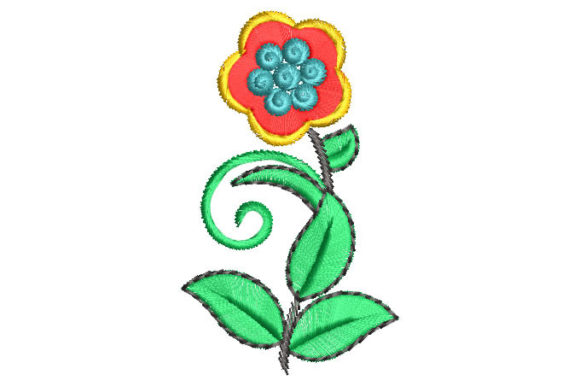
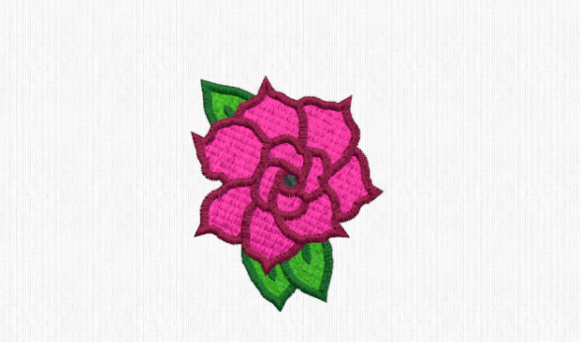
Sweet Flower belongs to the Single Flowers category, and it fits that description naturally. The design feels balanced without being stiff. The petals have a soft, rounded shape that reads as friendly and approachable rather than formal or decorative. The center of the flower is compact, which gives the whole piece a clean focal point. This is not a sprawling, detailed botanical illustration. It is a stylized, cheerful bloom that works well at a distance and up close.
The mood is bright and welcoming. I can see this being used on a baby embroidery project just as easily as on a holiday embroidery piece or a simple personalized gift. The design does not lean heavily into any one season, which makes it versatile for year-round production. Whether you are stitching it for a spring craft fair or a winter baby shower, it holds its own.
From a layout perspective, the shape is compact enough to fit into smaller hoop sizes, but it also has enough presence to stand alone on a larger item like a sweatshirt embroidery or a tote bag design. The visual personality is honest and straightforward. It does not rely on trendy details that might feel dated in a year. That is a strong selling point for anyone building a consistent product line.
Real Project Use: Stitching Sweet Flower on a Custom Tote Bag
Let me walk through a real scenario. I recently prepared a custom tote bag for a client who wanted something cheerful but not overwhelming. The bag was a medium-weight cotton canvas in a natural cream color. I chose Sweet Flower because I knew the design would sit well on the fabric without needing a massive hoop or a dense stitch count that might distort the bag's shape.
I tested the embroidery file on a scrap piece of similar fabric first. That is a step I always recommend, especially if you are planning to sell the finished product. The stitch-out was clean. The satin stitch petals had a nice sheen, and the fill stitch center was dense enough to look solid without feeling stiff. The design handled the fabric texture well. There was no puckering, and the edges stayed crisp.
I used a medium-weight stabilizer cut away, which is my go-to for cotton canvas. The design stitched out in a reasonable amount of time, and the thread changes were straightforward. I used a soft coral for the petals and a warm mustard for the center. The contrast was pleasant without being jarring. The client loved the result, and the bag has since become one of the more popular items in their small shop.
This same design would work beautifully on a sweatshirt embroidery project, especially if you want a single focal point on the chest or back. It also suits a custom apparel piece like a t-shirt or a baby onesie. The size and shape are forgiving enough that you can place it in the center, offset to one side, or even use it as a repeated motif on a larger item like a blanket or a pillow cover.
Performance Across Different Embroidery Projects
I have tested Sweet Flower on several types of finished products, and it performs consistently well in most situations. Here is a breakdown of where it shines and where you might want to exercise caution.
Custom Apparel and Sweatshirts
On a custom apparel item like a sweatshirt or a t-shirt, the design sits nicely without pulling the fabric. The stitch density is moderate, which means the fabric does not get overly stiff in the stitched area. That is important for garments that need to maintain their drape. I recommend a tear-away or cut-away stabilizer depending on the stretch of the fabric. For a sweatshirt, a medium-weight cut-away stabilizer works well.
Tote Bags and Aprons
For tote bag design and apron projects, this design is a natural fit. The cheerful shape adds personality without overwhelming the item. It works well as a single centerpiece or as a small accent near a pocket. I have also used it as part of a larger composition, combining it with a simple name or a short phrase. The design holds up well to moderate use, though I would recommend testing it on the exact fabric you plan to use, especially if the bag is likely to carry heavy items.
Baby Items and Nursery Decor
This is one of the strongest use cases for Sweet Flower. The design is soft and friendly without being overly childish. It works on a baby embroidery project like a onesie, a bib, or a small blanket. The stitch count is low enough that it does not make the fabric too heavy, which is important for baby items that need to remain soft. I used it on a set of burp cloths for a friend's baby shower, and the result was charming and practical.
Patches and Embroidered Patches
If you are producing embroidered patch designs for your shop, this design is a solid candidate. The shape is compact, and the edges are clean enough that a merrow border or a simple satin stitch edge works well. I tested it as a patch on a denim jacket, and it held its shape nicely. The design does not have tiny details that might get lost in the patch production process, which is a real advantage.
Holiday and Wedding Gifts
For holiday embroidery or wedding gifts, Sweet Flower can be paired with a name or a date to create a personalized gift. It works well on a kitchen towel, a pillow cover, or a small throw blanket. The design is neutral enough to fit into most gift themes without clashing with the recipient's decor.
Where to Use Sweet Flower Carefully
No design is perfect for every situation, and Sweet Flower has a few areas where I recommend caution.
- Small hoop sizes: If you are using a very small hoop, check the design dimensions first. The design is compact, but it still needs enough room for the full shape to stitch cleanly. Testing on scrap fabric is essential here.
- Textured or thick fabrics: On fabrics like fleece, thick terry cloth, or heavy knits, the design may need a heavier stabilizer or a slightly loosened tension. The satin stitch petals can sink into a very fluffy fabric, so test before committing to a production run.
- Thin or delicate fabrics: On lightweight fabrics like silk or fine cotton voile, the stitch density might cause some puckering. A lightweight stabilizer and a careful hooping technique are necessary. I would use a water-soluble stabilizer on top to help the stitches sit cleanly.
- Stretchy fabrics: For t-shirts or other stretchy garments, be mindful of the fabric's recovery. The design is not overly dense, but any design can distort if the fabric is pulled during hooping. A cut-away stabilizer is strongly recommended.
- Dark fabrics: The design relies on contrast between the petals and the center. On very dark fabrics, choose thread colors that will stand out clearly. A white or light pastel petal with a bright center works well. Test a small stitch-out to confirm the contrast reads correctly.
- Curved surfaces like caps: This design is not specifically optimized for curved surfaces. If you are stitching it on a cap, use a curved hoop and a firm stabilizer. The shape may need slight adjustment depending on the cap's curve.
- Dense stitch areas: The center of the flower is the densest part. On very thick fabrics, this area might feel stiff. If you are producing a large quantity of items, test a few to ensure the feel is acceptable for your customers.
How Sweet Flower Affects Visual Appeal and Product Value
When I evaluate a machine embroidery design for real project use, I consider how it affects the final product's visual appeal, customer trust, and overall value. Sweet Flower scores well on all three fronts.
Visually, the design is clean and pleasant. It does not have the busy, cluttered look that can make a handmade product feel amateurish. The shape is recognizable, and the stitching is clear. That clarity translates into a product that looks professional and well-made. For an Etsy seller or a small shop owner, that is a direct advantage. Customers are more likely to trust a product that looks thoughtfully stitched, and they are more likely to leave positive reviews or share photos of their purchase.
The design also adds a sense of handmade care without looking overly rustic. It has a modern, polished feel that works well for both personalized gifts and commercial embroidery projects. I have used it in a printable mockup for a client's product listing, and it photographed beautifully. The design reads well in photos, which is a real asset for online sellers.
From a brand consistency perspective, Sweet Flower is a design that can be used across multiple product types without losing its identity. Whether you stitch it on a baby embroidery item, a sweatshirt embroidery piece, or a tote bag design, the design maintains its cheerful personality. That makes it easier to build a cohesive product line around a single theme.
The design also has strong giftability. A flower motif is widely appreciated, and the design's simplicity means it does not compete with the recipient's personal style. It is the kind of design that feels thoughtful without being presumptuous. For a craft business, that is a reliable quality.
Practical Designer Notes for Using Sweet Flower
Before you stitch Sweet Flower on your next project, here are a few practical notes based on my testing.
- Test on scrap fabric first. This is the single most important step. Every fabric behaves differently. Test the design on the exact fabric you plan to use, with the same stabilizer and thread.
- Check thread color contrast. The design works best when the petals and the center have clear contrast. Test a few color combinations before committing to a production run. A light petal with a dark center or a dark petal with a light center both work well.
- Review stitch density. The design has a moderate stitch density, but it is always worth checking the file in your software. If you are using a very thick or very thin fabric, you may need to adjust the density slightly.
- Confirm hoop size. Make sure the design fits comfortably in your hoop with enough margin for the hoop to hold the fabric securely. A tight fit can cause shifting.
- Inspect small details. The design does not have tiny details that are likely to cause problems, but it is always good to preview the stitch-out in your software before sewing.
- Test in black and white mockups. If you are creating digital embroidery files or design assets for your shop, test the design in black and white to see how it reads without color contrast. This is especially helpful for customers who may want to use their own thread colors.
- Compare light and dark fabric backgrounds. The design may read differently on a white fabric versus a navy fabric. Test both to see how the thread colors interact with the background.
- Use proper stabilizer. For most fabrics, a medium-weight cut-away or tear-away stabilizer works well. For stretchy or delicate fabrics, use a stabilizer that matches the fabric's needs.
- Check licensing before selling. Before you use Sweet Flower in commercial embroidery projects or sell finished products, confirm the license terms. Different designers have different policies regarding commercial use of their embroidery file formats. Some allow unlimited commercial use, while others require a separate license. Always check to avoid any issues down the line.
- Test the design on a finished product mockup. If you are an Etsy seller or a small shop product creator, creating a printable mockup of the design on your product can help you visualize the final result and adjust placement before stitching.
Final Thoughts on Sweet Flower for Real Project Use
Sweet Flower is a reliable, cheerful machine embroidery design that fits naturally into a wide range of projects. It is not a design that tries to be everything to everyone, but it does what it sets out to do with clarity and consistency. For a craft business owner, an Etsy seller, or a handmade product creator, that reliability is valuable. It means you can stitch this design with confidence, knowing that it will look good on the fabric, hold up to use, and appeal to a broad range of customers.
I have used this design in my own work, and I have recommended it to clients who need a versatile, approachable motif for their product lines. It works on custom apparel, tote bag design, baby embroidery, holiday embroidery, and more. It is a design that earns its place in a well-rounded embroidery library. If you are looking for a Single Flowers design that is cheerful, practical, and easy to stitch, Sweet Flower is a strong choice.
As always, test your materials, check your thread colors, and confirm your licensing before you start a production run. With those steps in place, this design will serve you well across many projects and many seasons.