Pickle Ball Embroidery Design Review for Seasonal Collections
As an embroidery designer who has built seasonal collections for years, I review every new digital embroidery file with a practical eye. I ask myself: will this sell across multiple holidays, will it stitch cleanly on real products, and will customers feel that emotional pull to buy it as a gift or for themselves? I recently reviewed Pickle Ball for a holiday product lineup, and I want to share my honest assessment for anyone planning seasonal embroidery products, Etsy listings, or handmade gift lines.
First Impression of Pickle Ball
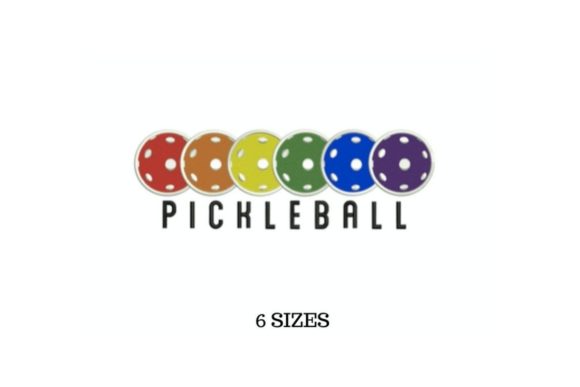
The first thing that struck me about Pickle Ball is its playful, social energy. This design captures the spirit of a game that has become a cultural phenomenon, especially among active families, retirees, and weekend warriors. The mood is cheerful, lighthearted, and slightly nostalgic, evoking summer afternoons and friendly competition. For a seasonal embroidery collection, that warmth translates beautifully into holiday gifting. The emotional tone is not overly sentimental or romantic, but it is genuinely uplifting. It feels like a design that brings people together, which is exactly what holiday shoppers want when they buy personalized gifts for teammates, family members, or friends who share a love for the sport.
Decorative style is clean and sporty with a modern edge. The detail level is moderate, which means it reads well at a glance but still rewards closer inspection. This is not an ultra-intricate design that gets lost in the fabric. It has presence. That is critical for sellers who need their finished products to pop in a crowded Etsy search or at a craft fair booth. The design feels premium in its simplicity, and it carries a versatile appeal that works for both casual apparel and home decor items.
How Pickle Ball Performs in Real Holiday Selling Situations
When I plan a seasonal collection, I think about where the embroidery will end up. Pickle Ball is remarkably adaptable. Here is how it performs across the most common holiday product categories:
- Gift bundles: This design is a natural fit for a pickleball-themed gift set. Pair an embroidered towel with a paddle and a ball, and you have a ready-made present for the enthusiast. The embroidery file becomes the anchor that makes the bundle feel personalized and thoughtful.
- Etsy listings: Shoppers search for sport-themed gifts year-round, but holiday traffic spikes for items that feel both personal and fun. Pickle Ball gives you a strong keyword hook. Listings with clear mockups showing the design on a sweatshirt or tote bag tend to convert well because the design is instantly recognizable.
- Craft fair displays: I have seen how a simple display of embroidered towels or aprons with this design draws people in. It sparks conversation. People smile. That emotional connection leads to impulse purchases, especially when shoppers are looking for unique handmade gifts.
- Limited edition apparel: Seasonal drops work well when the design feels timely but not overly trendy. Pickle Ball has staying power. It can be released for summer, holiday, or even as a year-round staple. The key is to pair it with seasonal colors, like a festive red or a winter white, to create that limited-time urgency.
- Family matching items: I have seen families request matching shirts for holiday gatherings or vacations. This design works for adults and kids alike, making it a strong candidate for matching sets. It is gender-neutral, which broadens the audience.
- Home decor: Kitchen towels, pillow covers, and table linens with Pickle Ball embroidery make excellent hostess gifts or casual home accents. The design adds a personal touch without being overly formal.
- Social media previews: When I test a design for social media appeal, I look for something that photographs well. Pickle Ball reads clearly on camera, even in a busy Instagram feed. It is easy to style with props like paddles, balls, and neutral backdrops.
- Printable mockups: For Etsy sellers who use digital mockups, this design is straightforward to showcase. It does not require heavy editing to look good. The clean lines translate well into flat lay images and lifestyle shots.
Where to Use Pickle Ball Carefully
No design is perfect for every substrate. I always advise sellers to test a new embroidery file before committing to a large production run. Here are the areas where I recommend caution with Pickle Ball:
- Small hoop sizes: If you plan to stitch this design in a very small hoop, check the stitch density. Some details may need to be scaled down carefully to avoid thread breaks or distortion. I recommend testing at your intended size before listing finished products.
- Tiny lettering: If the design includes small text, be aware that thread thickness can cause letters to blur or fill in. Test on the actual fabric you plan to use. For items like baby bibs or ornaments, the lettering may need to be simplified.
- Layered details: The design has moderate layering, which adds depth but can also cause registration issues on stretchy or textured fabrics. Make sure your machine is well-calibrated, and use a quality stabilizer to keep everything aligned.
- Thick towels: Towel embroidery requires special attention. The nap of the fabric can swallow fine details. I recommend using a water-soluble topper and a medium-weight cutaway stabilizer to keep the design crisp. Test a stitch-out before selling.
- Dark fabric: If you stitch on dark fabric, choose thread colors that contrast well. Metallic threads can be tricky with this design due to the stitch density. Stick with standard polyester or rayon threads for consistent results.
- Stretchy garments: For sweatshirts or performance wear, use a stabilizer that can handle stretch. A cutaway stabilizer is usually safer than a tearaway. Hoop the garment firmly but not too tight to avoid distortion.
- Curved caps: Cap embroidery adds complexity. The design may need to be digitized specifically for curved surfaces. If you are using a stock embroidery file, test it on a cap before offering it to customers.
- Items that need repeated washing: For kitchen towels, aprons, or any item that will be washed frequently, use a stabilizer that holds up over time. I recommend a no-show mesh cutaway for long-term durability. Check that the thread colors are colorfast, especially for reds and dark blues.
Seasonal Appeal, Buyer Emotion, and Product Value
Pickle Ball has a distinct advantage during the holiday shopping season: it taps into the joy of shared activity. Buyers are not just purchasing a product. They are purchasing a memory, a shared hobby, or a way to connect with someone they love. The emotional driver is belonging. That is powerful for a small shop owner because it creates repeat customers and word-of-mouth referrals.
From a product value standpoint, this design elevates an ordinary item into a personalized gift. A plain sweatshirt becomes a statement piece. A simple kitchen towel becomes a conversation starter. The perceived value increases significantly when the embroidery is clean, well-placed, and relevant to the recipient's interests. I have seen sellers charge a premium for sport-themed embroidery because the customer is paying for the personalization and the thought behind it.
Visual recognition is another factor. The design is immediately identifiable as pickleball-related, which helps shoppers find it quickly in search results. Brand consistency matters too. If you build a seasonal collection around Pickle Ball, you can extend the theme with matching accessories, different colorways, or complementary designs. This creates a cohesive look that builds trust with your audience. They see that you understand your niche, and they feel confident buying from you.
Engagement during the holiday season is all about urgency and emotion. Shoppers are looking for gifts that feel special. Pickle Ball delivers on that front because it is both niche and universally understood by anyone who plays the game. When you pair it with festive messaging, like "Gift for the pickleball lover" or "Holiday tournament ready," you create a connection that drives clicks and purchases.
Practical Embroidery Designer Notes
Before you add Pickle Ball to your seasonal product line, here are the steps I take with every new embroidery file I review. I recommend you do the same:
- Test thread colors on both light and dark fabric: What looks good on the screen may not pop on fabric. Stitch a sample on white and on black, and adjust your thread palette accordingly. I usually test three or four color combinations before settling on the final set.
- Check stitch density: High stitch density can cause fabric puckering, especially on lightweight materials. If the design feels too dense, consider scaling it up slightly to spread the stitches out. If it is too sparse, the design may look unfinished. Find the sweet spot.
- Confirm hoop size: Know your hoop dimensions before you commit to a product line. Some seasonal items, like ornaments or small towels, require a smaller hoop. Make sure the design fits comfortably within your available hoops without crowding the edges.
- Use proper stabilizer: For apparel, I recommend a cutaway stabilizer for durability. For towels, add a water-soluble topper. For patches, use a tearaway. The right stabilizer makes the difference between a professional finish and a frustrating result.
- Create realistic mockups: When you list finished products on Etsy, use mockups that show the design at a realistic size and placement. Shoppers want to see how it will look on an actual sweatshirt or tote bag, not just a floating design on a white background.
- Review small details after stitching: After your first test stitch-out, examine every letter and shape under good light. Look for thread breaks, gaps, or areas where the design looks muddy. Fix any issues before you start production.
- Plan matching color palettes: For holiday collections, consider offering the design in multiple colorways. A red and green version for Christmas, a blue and white version for summer, or a neutral palette for year-round appeal. This expands your product line without adding new designs.
- Confirm commercial licensing: Before you sell finished products featuring Pickle Ball, verify the licensing terms of the embroidery file you purchased. Some digital files come with restrictions on the number of items you can sell or require a commercial license. Always check the seller's policy to avoid any issues later.
For sellers who are new to seasonal embroidery, I also recommend starting with a small batch. Test the market with a few items before scaling up. This design is strong enough to carry a limited release, and you can always reorder if the response is positive.
Final Thoughts on Pickle Ball for Seasonal Products
Pickle Ball is a versatile, emotionally engaging embroidery design that fits naturally into a holiday or seasonal product collection. It appeals to a broad demographic, works across multiple product types, and offers strong visual recognition. With proper testing and thoughtful product planning, this design can become a reliable seller in your shop. Whether you are creating personalized gifts, limited edition apparel, or home decor items, Pickle Ball delivers the kind of cheerful, sporty energy that shoppers love to give and receive. I recommend adding it to your seasonal lineup, especially if you already serve customers who enjoy active lifestyles or team sports. The design is a solid addition to any embroidery seller's catalog, and it has the potential to perform well across multiple selling seasons.