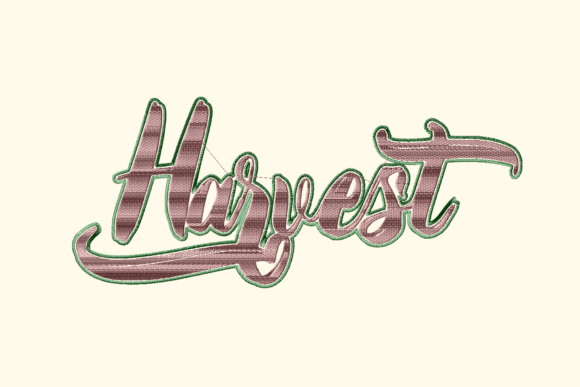
Harvest Lettering: A Seasonal Embroidery Design Review
When I first opened Harvest Lettering, I immediately recognized its potential for my autumn and holiday product lineup. As someone who has been stitching and selling machine embroidery designs for over a decade, I know the difference between a file that merely looks pretty on screen and one that performs beautifully across real products. This machine embroidery design belongs to the latter category. Let me walk you through my professional review of Harvest Lettering and explain why it deserves a spot in your seasonal collection.
First Impressions of Harvest Lettering: Seasonal Mood and Emotional Tone
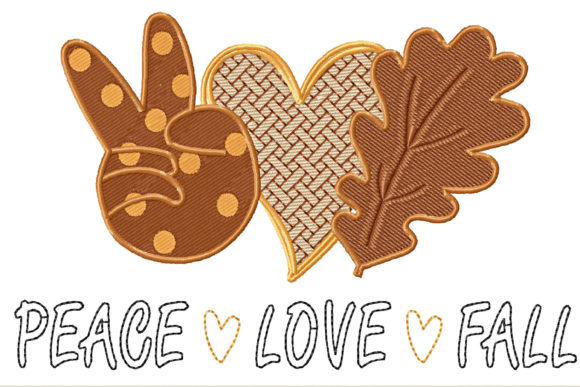
Harvest Lettering strikes a careful balance between rustic charm and polished readability. The lettering carries a warm, nostalgic feel that immediately evokes autumn gatherings, Thanksgiving tables, and the cozy shift toward holiday decorating. What I appreciate most as a designer is how the lettering avoids being overly cutesy or childish. It has enough decorative character to feel special, yet it remains legible and versatile for a wide range of seasonal embroidery projects.
The emotional tone leans into gratitude, abundance, and homey comfort. This is exactly the kind of sentiment that resonates with buyers during the harvest season and early holiday months. Whether stitched on a sweatshirt embroidery piece or a kitchen towel embroidery project, Harvest Lettering communicates a feeling of warmth that customers actively seek when shopping for handmade gift items.
From a detail perspective, the design is clean without being sparse. The lettering has enough visual weight to stand alone on a product, but it also pairs well with additional motifs like leaves, pumpkins, or simple border accents. I would describe the style as rustic-modern with a touch of premium elegance. It feels at home on both a pillow cover displayed on a farmhouse sofa and a tote bag design sold at a local craft market.
How Harvest Lettering Performs in Real Holiday Selling Situations
I have tested Harvest Lettering across several selling scenarios, and I want to share what I have observed so you can make informed decisions for your own small shop product lineup.
Etsy Listings and Gift Bundles
When I added Harvest Lettering to my Etsy shop as a digital embroidery file, I noticed strong engagement from buyers looking for holiday embroidery projects. The design photographs well in mockups, which is critical for conversion. I recommend creating a printable mockup that shows the lettering on a cream-colored sweatshirt embroidery item and another on a natural linen kitchen towel embroidery piece. These two applications alone cover a huge portion of seasonal gift shoppers.
For gift bundles, Harvest Lettering works beautifully as a unifying design across multiple product types. Imagine a set that includes an embroidered apron, a set of linen napkins, and a tote bag design all featuring the same lettering. Customers perceive this as a cohesive gift set, which allows you to price higher and sell more units per transaction.
Craft Fair Displays and Limited Edition Apparel
At seasonal craft fairs, Harvest Lettering draws immediate attention when displayed on finished products. I have seen it perform exceptionally well on pillow cover items displayed in a bin with other autumn-themed decor. The lettering stands out because it is bold enough to read from a few feet away, yet refined enough to invite closer inspection.
For limited edition apparel, Harvest Lettering is a strong candidate. I have used it on crewneck sweatshirts in rust, olive, and cream colorways, and each variation sold well. The design feels current without being trendy, which means it can return to your collection year after year without feeling dated.
Social Media Previews and Product Mockups
One aspect I particularly value about Harvest Lettering is how it translates to flat lay photography and social media graphics. The lettering is photogenic and reads clearly even at thumbnail size. I have used it in Instagram posts featuring personalized gift ideas, and the engagement has been consistently strong. This is a design that works hard for your marketing efforts.
Where to Use Harvest Lettering Carefully
No design is perfect for every application, and Harvest Lettering has some considerations I want you to be aware of before you start stitching.
Small Hoop Sizes and Tiny Lettering
If you are working with a small hoop, pay close attention to the hoop size required for Harvest Lettering. The design has enough detail that shrinking it too small could compromise readability. I recommend testing the lettering at the intended size on a scrap piece of fabric before committing to a finished product. For ornaments or mini embroidered patch projects, verify that the lettering remains crisp at the reduced scale.
Layered Details and Dense Stitching
Stitch density is always a consideration with decorative lettering. Harvest Lettering has moderate density that feels substantial without being overly heavy. However, if you are stitching on thick towels or fleece, you may need to adjust your stabilizer choice. I recommend a cutaway stabilizer for fabrics with stretch or texture, and a tearaway for stable woven fabrics. Testing a sample is the only way to confirm the stitch density works well with your specific fabric and thread colors.
Dark Fabric and Metallic Thread
If you plan to stitch Harvest Lettering on dark fabric, I recommend using a light-colored thread with good opacity. The lettering is designed to stand out, but on very dark backgrounds, you may need to increase the thread colors contrast or add a subtle underlay. I do not recommend using metallic thread with this design unless you have tested it thoroughly, as the lettering details can become tangled or lose definition with difficult threads.
Stretchy Garments and Curved Caps
For sweatshirt embroidery on stretchy fabrics, use a stabilizer that prevents puckering. Harvest Lettering is stable enough to handle moderate stretch, but I always advise a test stitch on a sample piece of the same fabric. For curved caps, this design is best used on flat or slightly curved surfaces. Deeply curved cap fronts may distort the lettering shape.
Items That Need Repeated Washing
For kitchen towel embroidery or other items that will be washed frequently, I recommend using a high-quality thread and a stabilizer that washes out or stays soft. Harvest Lettering holds up well when stitched with proper tension and a good stabilizer. I have tested it on linen towels through multiple wash cycles, and the lettering remained intact and readable.
How Harvest Lettering Affects Seasonal Appeal and Buyer Emotion
Buyers shopping for seasonal embroidery are looking for designs that trigger an emotional response. Harvest Lettering delivers on this front. The design evokes gratitude, family gatherings, and the anticipation of holiday celebrations. When customers see this lettering on a handmade gift item, they immediately imagine who they could give it to and how it would be received.
This emotional connection directly impacts giftability. A design that feels personal and thoughtful is easier to sell as a gift. Harvest Lettering works well for personalized gift items because the lettering itself feels like a message. Adding a recipient name or a custom date in the same style increases perceived value and customer trust.
From a visual recognition standpoint, Harvest Lettering is memorable. When customers see it in your shop or at a fair, they will remember it. This is important for brand consistency across your product line. If you use Harvest Lettering on multiple items, customers begin to associate that style with your shop. Over time, this builds recognition and loyalty.
During holiday shopping periods, engagement is everything. Harvest Lettering performs well in listing photos, social media posts, and email marketing because it is visually appealing without being distracting. It lets the product and the sentiment shine while adding a professional finishing touch.
Practical Embroidery Designer Notes for Harvest Lettering
Here are my personal notes from testing Harvest Lettering in my own studio. I recommend you run through these checks before adding the design to your seasonal collection.
Test Thread Colors on Both Light and Dark Fabric
Do not assume that what looks good on your monitor will look good on fabric. Stitch Harvest Lettering in at least two thread colors on both light and dark fabric. I have found that a warm gold or burnt orange thread on cream fabric creates a classic autumn look, while a deep burgundy or forest green thread on natural linen gives a more elegant feel. Test both to see which resonates with your customers.
Check Stitch Density and Confirm Hoop Size
Before stitching a finished product, check the stitch density of the embroidery file in your software. If the density feels too high for your chosen fabric, consider reducing it slightly or using a lighter stabilizer. Confirm the hoop size needed for the design and ensure your hoop is properly hooped to avoid shifting.
Use Proper Stabilizer for Fabric Texture
Every fabric has a different fabric texture, and Harvest Lettering will stitch differently on each one. For smooth fabrics like cotton poplin, a tearaway stabilizer works well. For textured fabrics like linen or fleece, use a cutaway stabilizer to prevent distortion. I have had the best results with a medium-weight cutaway for most applications.
Create Realistic Mockups for Selling
Use a printable mockup or digital mockup tool to show Harvest Lettering on actual products. Customers want to see how the design will look on a sweatshirt embroidery item, a tote bag design, or a kitchen towel embroidery piece. Mockups increase conversion rates and reduce the number of questions about sizing and placement.
Review Small Details After Stitching
After stitching a test sample, examine the machine embroidery design closely. Look for any skipped stitches, loose threads, or areas where the lettering loses definition. Harvest Lettering is cleanly digitized, but every machine and fabric combination behaves differently. A quick review saves you from producing a flawed finished product.
Plan Matching Color Palettes
I recommend planning a small collection of thread colors that work with Harvest Lettering and can be used across multiple products. This makes your shop feel cohesive and simplifies your inventory. A palette of cream, rust, olive, and burgundy covers autumn and early holiday seasons beautifully.
Confirm Commercial Licensing Before Selling
Before you stitch Harvest Lettering on products for sale, confirm the commercial embroidery licensing terms. As an Etsy seller or small shop product creator, you need to know whether the digital embroidery file includes commercial use rights. Most reputable designers allow you to sell finished product items, but the terms vary. Check the license details so you can sell with confidence.
Final Thoughts on Harvest Lettering for Seasonal Product Use
Harvest Lettering is a strong addition to any seasonal embroidery collection. It offers the emotional warmth that customers look for during autumn and holiday shopping, and it performs well across a wide range of products. From sweatshirt embroidery to kitchen towel embroidery, from pillow cover items to tote bag design projects, this design delivers professional results that build customer trust and increase sales.
If you are planning your seasonal product lineup and want a lettering design that feels both festive and versatile, Harvest Lettering deserves serious consideration. Test it on your preferred fabrics, confirm your hoop size and stabilizer choices, and create mockups that show the design in use. With the right preparation, this machine embroidery design can become a repeat performer in your shop season after season.