Hammer Embroidery Design Review for Boutique Apparel
When I first opened the Hammer embroidery design from Creative Fabrica, I was preparing a small sweatshirt collection for my online shop. I needed a machine embroidery design that could carry a bold, grounded mood without feeling too heavy or overly masculine. Right away, Hammer stood out as a versatile option that balances strength with simplicity. The visual personality is straightforward and confident, with clean lines that read well on both casual and slightly elevated pieces. It does not try to be cute or overly decorative. Instead, it lands somewhere between rustic and modern, with a subtle industrial edge that fits the Work category naturally. For boutique apparel, this kind of design can help a small brand project a sense of durability and authenticity without sacrificing polish.
First Impressions: Visual Mood and Stitching Personality
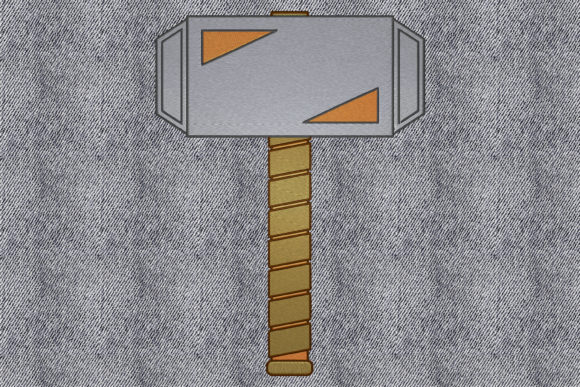
Hammer has a direct, uncluttered look. The design feels grounded and purposeful, which makes it a strong candidate for sweatshirt embroidery and hoodie design projects. The stitching mood is steady rather than delicate, and the detail level is moderate enough to keep the design readable at a distance. This is important for custom apparel that will be worn in everyday settings. I would describe Hammer as bold yet minimal, with a classic feel that does not rely on trends. It could work well on neutral sweatshirts, pastel hoodies, or dark garments, depending on thread color choices. The design does not lean feminine or overly masculine, which gives it broad appeal for a boutique brand targeting a mixed audience. If you are an Etsy seller or small shop owner looking for a design that feels both professional and approachable, Hammer offers a solid foundation.
Sweatshirt Embroidery and Hoodie Chest Placement
For sweatshirt embroidery, placement is everything. I tested Hammer on a mid-weight fleece crewneck and found that the design sits well at the left chest position. The shape is compact enough to fit neatly without crowding the seam or shoulder line. On hoodies, a centered chest placement also works, especially if you want the design to act as a subtle focal point. The stitch density appears manageable for fleece, but I always recommend testing on scrap fabric first. Because sweatshirt fabric has some loft, you may need to adjust your stabilizer choice to prevent the design from sinking into the knit. A medium-weight cutaway stabilizer paired with a light topping can help keep the stitches crisp. For dark garments, consider using a lighter thread color to make the hammer shape pop. The contrast will help the design retain its visual impact from a few feet away.
Sleeve Accents and Back Designs
Hammer also works well as a sleeve accent. I tried it on the upper sleeve of a denim jacket and the proportions held up nicely. The design is not overly tall, so it fits within the narrower sleeve area without distorting. For back designs, you could scale the design up slightly if your hoop size allows, but check the original embroidery file dimensions first. Creative Fabrica usually provides multiple machine embroidery design formats, so you can confirm the size before committing to a placement. On a tote bag, Hammer adds a handmade, workshop-inspired feel that could appeal to customers who appreciate artisan goods. The design reads clearly on cotton canvas and linen blends, making it a versatile addition to a boutique merchandise lineup.
T-Shirt Embroidery and Lightweight Fabrics
On t-shirts, Hammer performs best when the fabric is stable and not too stretchy. Lightweight jersey can sometimes pull or pucker around dense stitch areas, so I recommend using a lightweight stabilizer and a sharp needle to minimize distortion. If you plan to embroider Hammer on ribbed fabric or curved surfaces like the collar area, proceed with caution. The design may need to be scaled down or repositioned to avoid stretching. For stretchy fabric, a stabilizer with good recovery properties will help maintain the design shape after repeated wear.
Where to Use Hammer Carefully
While Hammer is a versatile machine embroidery design, there are a few areas where you should apply extra care. Dense stitch areas can cause problems on fleece or thick sweatshirt fabric if the stabilizer is not matched correctly. I always stitch a test sample on a similar garment fabric before moving to production. This helps me catch any thread tension issues or fabric distortion early. On dark garments, thread color contrast is critical. A dark thread on a dark background will make the design disappear, so choose a thread color that creates a clear visual separation. For tiny lettering or very small design versions, check that the details remain legible. Hammer is not a highly detailed design, so scaling down should be safe, but confirm the stitch quality in your test run. Also, avoid placing the design on areas that will stretch or wrinkle significantly, such as the lower back of a hoodie or the side seam of a fitted t-shirt. The design will hold its shape best on flat, stable surfaces.
How Hammer Affects Apparel Value and Brand Identity
Adding embroidery to your products immediately elevates the perceived value. Hammer, with its clean and purposeful look, can help a boutique brand convey a sense of craftsmanship and attention to detail. For a small shop product, this kind of design can differentiate your items from screen-printed alternatives. Customers often associate embroidered details with higher quality, which can support a higher price point and build buyer trust. When you use Hammer consistently across a collection, you create visual consistency that strengthens product recognition. Whether you are listing on Etsy, building a social media presence, or preparing printable mockups for your online store, having a cohesive design language helps customers remember your brand.
From a commercial embroidery perspective, Hammer is also practical for production. The design does not appear to have excessive stitch counts or overly complex fill patterns, which means it can be stitched efficiently without sacrificing quality. This is important for small clothing brands that need to balance production time with profit margins. The digital embroidery file formats available from Creative Fabrica make it easy to load the design into your machine and start testing right away. Just be sure to review the product details and licensing terms before selling finished apparel. Knowing your rights as a commercial user protects your business and keeps your product offerings legitimate.
Practical Designer Notes for Production
Before you stitch Hammer on your final garment, here are a few steps I recommend every embroiderer take. First, test on scrap fabric that matches the weight and texture of your intended apparel. This will reveal how the design interacts with the fabric texture and whether any adjustments are needed. Second, check your stabilizer choice. For sweatshirt embroidery, a medium to heavy cutaway stabilizer generally provides the best support. For t-shirts, a lightweight tearaway or cutaway may work depending on the stitch density. Third, review thread color contrast. Place a thread sample next to your fabric and view it under the lighting you will use for production. Fourth, confirm your hoop size can accommodate the design comfortably. If the design is too large for your hoop, you may need to scale it down or choose a different placement. Fifth, inspect the stitch density in your test sample. If the fabric is pulling or puckering, consider reducing the density or adding a layer of stabilizer.
I also recommend comparing placement options on your actual garment. A design that looks perfect on a flat layout may shift when the garment is worn. Try the garment on a mannequin or a model to see how the design sits on the body. This is especially important for hoodie design and sweatshirt embroidery, where the fabric hangs differently than on a flat surface. Finally, check the Creative Fabrica product details for any specific notes about the embroidery file. If the design comes with multiple formats, make sure you are using the correct one for your machine. If the stitch count or hoop size is not listed, reach out to the seller or test the design in your software to confirm the dimensions before cutting fabric.
Final Thoughts on Hammer for Boutique Apparel
Hammer is a reliable machine embroidery design that brings a grounded, workwear-inspired aesthetic to boutique apparel. It is not flashy or overly detailed, but that is exactly why it works for so many projects. It fits the Work category without feeling generic, and it offers enough visual weight to stand on its own as a chest design or sleeve accent. For Etsy sellers, small shop owners, and creative entrepreneurs building a handmade product line, Hammer provides a solid foundation for a cohesive collection. Whether you are stitching it on neutral sweatshirts, pastel hoodies, dark garments, or tote bags, the design holds its own and adds a professional touch to finished products. As always, test thoroughly, choose your stabilizer wisely, and review the licensing terms before selling. With the right preparation, Hammer can become a dependable part of your custom apparel lineup.