Emoji Embroidery Design Review for Boutique Apparel
When I first opened the Emoji embroidery design from Creative Fabrica, I was curious how a concept so simple would translate into a commercial product line. As someone who has spent years digitizing and stitching for boutique apparel brands, I have learned that the best designs are not always the most complex. Sometimes a clean, recognizable motif carries more weight on a hoodie or sweatshirt than an elaborate composition. The Emoji machine embroidery design sits in that sweet spot between playful and marketable, and I want to share how it performs across real apparel projects.
First Impression and Visual Personality
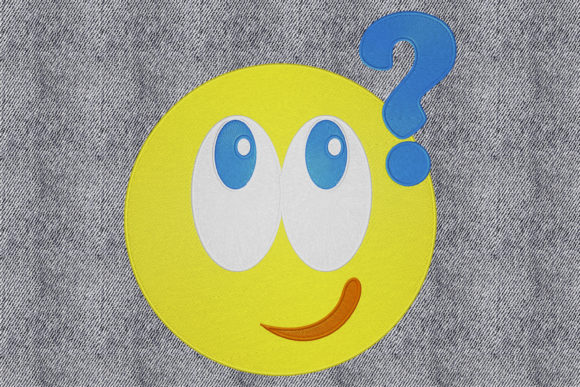
The Emoji design captures the familiar, expressive faces that have become a universal language in digital culture. From a stitching perspective, the design reads as bold and graphic rather than delicate. The outlines are clean, the shapes are distinct, and the overall mood leans toward casual and trendy with a touch of nostalgia. I immediately thought of how this would look on a pastel hoodie or a neutral crewneck sweatshirt for a small shop targeting teens and young adults. The design feels approachable, not overly feminine or masculine, which gives it a versatile neutrality that boutique owners appreciate.
What stands out to me is the stitch density. The faces are built with enough fill to feel solid on the garment, but the design does not look heavy or stiff. That balance is critical for apparel that needs to drape well. The visual personality is playful without being childish, which makes it suitable for Teenagers but also for older customers who enjoy subtle whimsy in their wardrobe. I would describe the stitching mood as upbeat and modern, with a finish that can read either as a standalone statement or as part of a larger graphic layout.
How Emoji Performs on Sweatshirts and Hoodies
I tested the Emoji design on a few different garment bases before committing to a small collection. The first run was on a classic cotton sweatshirt in heather gray. The design stitched out cleanly with good registration. The thread colors I selected were bright yellow, soft pink, and black, which gave the faces a pop-art feel against the neutral background. On a sweatshirt, the chest placement worked well. The design is compact enough to sit centered on the left chest or directly in the middle without overwhelming the garment.
For hoodie chest placement, I found that the design holds its own without getting lost in the thicker fabric. The stitch density is moderate enough that the embroidery does not pucker on fleece, but I did test on a scrap piece of hoodie fabric first to confirm stabilizer choice. I used a medium-weight tear-away stabilizer for the sweatshirt and a cut-away stabilizer for the hoodie fleece. The design handled both well. If you are planning sleeve accents, the Emoji design works nicely as a small repeat motif or as a single face near the cuff. I would recommend keeping the design size under three inches for sleeve placements to avoid distortion on curved surfaces.
Back Designs and Oversized Garments
For an oversized hoodie or a denim jacket, the Emoji design can be scaled up with care. I would not recommend going too large because the simple shapes may lose their charm if stretched beyond what the digitizing supports. A centered back design on a sweatshirt, around five to six inches wide, gives the garment a streetwear feel without being overpowering. The design reads clearly from a distance, which is important for back placements that need to catch attention in social media photos or printable mockups for Etsy listings.
T-Shirt Embroidery and Tote Bag Applications
T-shirt embroidery with the Emoji design works best on medium to heavyweight cotton tees. The fill stitches are dense enough that they show up well on lightweight fabric, but I would recommend using a cut-away stabilizer to prevent the fabric from puckering around the edges. I stitched a few samples on pastel pink and light blue tees, and the contrast was excellent. The design does not require a high number of thread color changes, which keeps production time reasonable for small shops that stitch in batches.
For tote bags, the Emoji design is a natural fit. Tote bags are often casual and playful, and the expressive faces add a conversational element to the product. I stitched one on a natural canvas tote and another on a black cotton tote. The design held up well on both, though I increased the stabilizer weight for the canvas to handle the thicker fabric. Tote bags are a popular item for handmade product lines, and this design gives buyers a reason to smile while carrying their groceries or books.
Boutique Merchandise and Brand Identity
For a boutique brand, the Emoji embroidery design can become a signature element in a collection. I have seen similar motifs used by small clothing brands to create a cohesive visual language across sweatshirts, beanies, and accessories. The design is simple enough to repeat across multiple products without feeling repetitive. It also photographs well for lifestyle product photos, which is essential for Etsy sellers and small shop owners who rely on visual consistency to build buyer trust.
When I think about brand identity, the Emoji design communicates approachability and a sense of humor. Apparel that features this design feels personal and relatable. Customers who buy handmade products often look for items that reflect their own personality, and a smiling or winking face on a hoodie can feel like a small inside joke between the wearer and the designer. That emotional connection raises the perceived value of the garment and encourages customer engagement.
Commercial Embroidery and Licensing Considerations
Before selling finished apparel with the Emoji design, I always recommend checking the Creative Fabrica product details and licensing terms. The product description states that the machine embroidery design comes with multiple file formats and can be used with multi, which is a good sign for commercial use. However, I do not assume anything. I confirm the license terms for selling finished products before I stitch a single garment. This is a standard step for any Etsy seller or small shop owner who wants to avoid legal issues down the road.
Practical Embroidery Designer Notes
I have included a few practical notes from my testing that may help you get the best results with the Emoji design on your own projects.
- Test on scrap fabric first. Every garment fabric behaves differently. I always stitch a sample on a scrap piece of the same fabric I plan to use for the final product. This helps me catch any tension issues or registration problems before I stitch on the actual garment.
- Check stabilizer choice carefully. For sweatshirt fleece, a cut-away stabilizer gives the best stability. For cotton t-shirts, a tear-away stabilizer works well if the design is not too dense. For stretchy fabrics, a cut-away stabilizer is almost always necessary to prevent the design from distorting.
- Review thread color contrast. The Emoji design relies on clear shapes and bold colors. If you stitch on dark garments, use bright or light thread colors to maintain visibility. On pastel or neutral fabrics, darker thread colors create a striking contrast. I tested black thread on a cream sweatshirt and the design popped beautifully.
- Confirm hoop size before starting. The design may fit within a standard 4x4 hoop, but I always check the actual dimensions in my embroidery software before I begin. I have learned the hard way that assuming a design fits can lead to a wasted hoop and a frustrated afternoon.
- Inspect stitch density. The Emoji design has a moderate stitch density, but I still run a stitch count check in my software. If the density feels too high for the fabric, I adjust the design or choose a different stabilizer. High stitch density on lightweight fabric can cause the fabric to pucker or the needle to break.
- Test on similar garment fabric. If you plan to stitch on ribbed fabric, stretchy material, or curved surfaces like sleeves, test the design on a similar fabric first. The Emoji design may need slight adjustments for those areas to prevent distortion.
- Compare placement options. I like to print a paper template of the design and place it on the garment before stitching. This helps me visualize the final placement and make adjustments before the needle hits the fabric.
Where to Use the Emoji Design Carefully
While the Emoji design is versatile, there are a few situations where I would use it with extra caution. Small chest placements on very stretchy fabrics can cause the design to stretch out of shape. I recommend using a cut-away stabilizer and a lightweight topping to keep the stitches clean. Dense stitch areas can be problematic on fleece if the stabilizer is not heavy enough, so I always test first. Curved surfaces like the sleeve of a hoodie require careful hooping and may need a smaller design size to avoid distortion. Tiny lettering is not a concern here because the design is graphic, but the same principles apply to any detailed area.
On dark garments, the design may need a white or light underlay to keep the thread colors vibrant. I have seen designs that look dull on black fabric because the thread did not have enough opacity. A simple underlay solves that problem and keeps the finished product looking professional.
How Emoji Affects Apparel Value and Customer Engagement
The finished product featuring the Emoji design feels polished and intentional. Customers who buy from boutique brands are looking for something that stands out from mass-produced apparel. A well-stitched embroidery design on a hoodie or sweatshirt signals quality and care. The Emoji design, with its clean lines and recognizable shapes, gives the garment a modern edge that appeals to the Teenagers category and beyond.
For product recognition, the design is memorable without being loud. A customer who sees a smiling face on a sweatshirt in a social media post is likely to remember the brand that created it. Printable mockups of the design on different garments can help Etsy sellers showcase the versatility of their products. The design also works well in lifestyle photos, where the expressive faces add a human element to the product shot.
Visual consistency across a product line builds buyer trust. If a customer buys a sweatshirt with the Emoji design and loves it, they may return for a tote bag or a t-shirt with the same motif. That repeat business is the foundation of a successful small shop. The Emoji design supports that consistency because it is simple enough to reproduce across multiple products without variation.
Final Thoughts for Apparel Decorators and Small Shop Owners
The Emoji machine embroidery design from Creative Fabrica is a solid addition to any boutique apparel collection. It is playful without being juvenile, bold without being overwhelming, and versatile enough to work on sweatshirts, hoodies, t-shirts, and tote bags. The design stitches well on a variety of fabrics when you take the time to test stabilizer, thread color, and placement. For Etsy sellers, small shop owners, and handmade business owners, this design offers a reliable way to create finished products that feel personal and professional.
I always remind myself that a successful embroidery project starts with the right preparation. Check the design details, confirm the file format works with your machine, and test on scrap fabric before you commit to a full production run. The Emoji design has earned a spot in my rotation for small collections, and I believe it can do the same for yours.