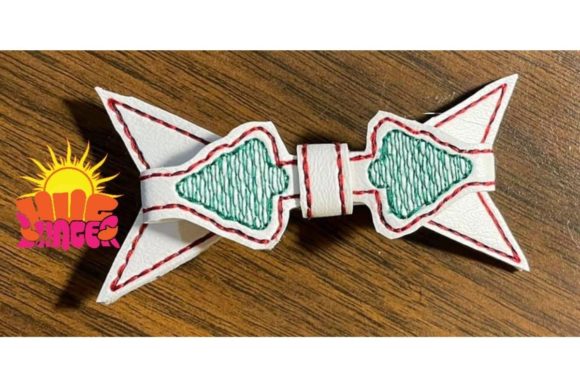
Christmas Tree Decoration: A Seller's Guide for Craft Fairs
As a professional embroidery designer who spends more weekends than I'd like to admit hunched over a multi-needle machine prepping for holiday craft fairs, I’ve learned to judge a machine embroidery design by its cover—and its stitch map. I recently added the Christmas Tree Decoration digital embroidery file to my production queue for a weekend market, and here is my unfiltered review on how it performs as a craft fair product and handmade product staple.
First Impressions: Booth-Ready or Just Festive?
The Christmas Tree Decoration hits that sweet spot between classic holiday charm and refined detail. It doesn't lean too cartoonish, nor does it veer into overly minimal territory where it might get lost on a busy tote bag design. This design feels like a high-quality, decorative piece that could easily pass as an heirloom accent on a pillow cover or a charming focal point on a child's sweatshirt. For a small shop product, first impressions are everything, and this one reads as "premium handmade." It suggests a certain rustic or traditional elegance that appeals to a wide demographic at a holiday market.
Product Performance: Where Christmas Tree Decoration Shines
To maximize your return on investment, you need to pair the right design with the right blank. Here is how Christmas Tree Decoration performs across the most popular craft fair product categories:
Tote Bags & Market Bags
This is a bread-and-butter application. The Christmas Tree Decoration has enough visual weight to stand alone as a focal piece on a cotton or canvas tote. For a handmade product, an embroidered tote bag with this tree looks like a gift itself. It catches the eye of shoppers looking for reusable gift wrap or a quick, practical present. The design works well centered or offset slightly for a modern look.
Tea Towels & Aprons
This is where the "farmhouse" or "rustic chic" potential truly shines. A tea towel embroidery featuring this tree feels intentional and giftable. It's the kind of item that sells itself during the holiday season. Just be mindful of fabric texture; a dense design on a thick towel will require a water-soluble topping to prevent the stitches from sinking.
Pillow Covers & Home Decor
Absolutely a winner. Customers love seasonal home decor. An embroidered pillow cover with the Christmas Tree Decoration becomes a high-dollar item at your booth. It allows you to demonstrate the quality of your commercial embroidery work. Display one on a chair or couch in your booth setup to create a vignette that stops traffic.
Patches & Caps
As an embroidered patch, this design could be a quick, low-cost stocking stuffer or a kid-friendly purchase. It's a great way to use up thread colors and leftover stabilizer. On a cap, it works beautifully as a front-center or side accent design. Just be careful with the cap seam; the design needs to be digitized to sit flat, so review the hoop size and placement carefully.
Fabric Pouches & Giftables
A small fabric pouch with this design is a perfect impulse buy. It’s a low-risk, high-reward item for customers. You can batch out a dozen of these quickly, making them a profitable addition to your small shop product lineup.
The Selling & Production Reality: Batch Processing
Can you stitch this out 50 times in a row without wanting to throw your machine out the window? Yes, I believe so. The Christmas Tree Decoration appears to be constructed with a reasonable stitch density. It doesn't look overly filled or packed, which means fewer thread breaks and less stabilizer waste. For a commercial embroidery setup, this is crucial.
It also photographs exceptionally well. This is a huge plus for an Etsy seller who relies on printable mockup assets and design assets to sell the finished product online. The contrast between the tree and the background fabric is easy to capture on camera, making your listing photos pop.
Technical Deep Dive: Tricky Stitches & Fabric Choices
Let’s get into the nuts and bolts. This is where my experience as a designer kicks in. Before you load this machine embroidery design into your machine, consider these factors:
- Stitch Density & Fabric Texture: If the design has a high stitch density, avoid high-pile fabrics or thick towels without a water-soluble topping. The last thing you want is a beautiful design sinking into terry cloth, losing its crisp edge.
- Hoop Size & Spacing: Confirm the exact hoop size required. You don’t want to be caught off guard needing a 5x7 hoop for a small accent. The description mentions "multiple embroidery file formats," which is great, but you need to know the physical dimensions first.
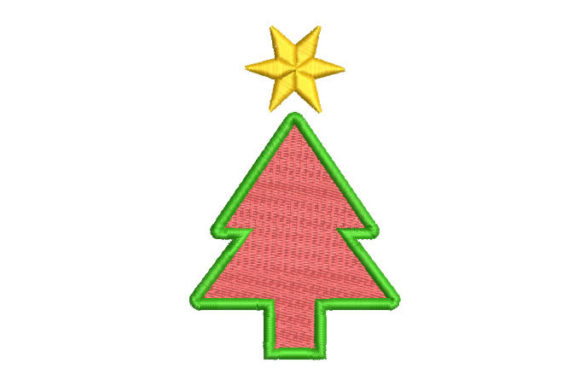
- Thread Colors & Changes: The number of thread colors directly impacts production speed. If it's a multi-color change (e.g., green tree, red ornaments, brown trunk, yellow star), it is best suited for a multi-needle machine or a dedicated single-needle project where you can batch one color at a time.
- Dark Fabric & Contrast: Ensure the design has good contrast. If the tree is dark green with dark red ornaments, it will disappear on a navy or black tote bag. Always test your thread colors against the fabric color to ensure the design reads clearly from a distance.
- Small Details: If there are tiny ornaments or a star on top, make sure they are digitized cleanly. Tiny details can sometimes turn into a blob of thread, especially at smaller sizes. This is a common pitfall in digital embroidery file design.
The Booth Display: Visual Merchandising Magic
The Christmas Tree Decoration is versatile enough to command a "vignette" display in your booth. Place a tote bag design next to an apron, a tea towel, and a pillow cover. This shows the customer how the same design assets can look completely different on various products.
This strategy increases the perceived value of your work. Customers start to see the design not just as a tree, but as a "collection." It’s a great way to engage a buyer—they might come for the tote but leave with the pillow. The consistency of the design across products builds strong brand consistency for your handmade business.
Practical Designer Checklist: Stitch It Right
Before you hit "start," run through this checklist to ensure your finished product meets the high standards of a craft fair product:
- Test Scrap: Always test on a scrap piece of fabric first. This is non-negotiable. It saves you from ruining expensive blanks.
- Stabilizer Selection: Use a cutaway stabilizer for garments (t-shirts, sweatshirts) to prevent warping, or a tear-away for home decor (pillows, towels).
- Licensing Check: Verify the commercial use license. Is it included? Can you sell the finished product? The description mentions "multiple embroidery file formats," but you must confirm the license terms. This is a critical step for any Etsy seller or boutique maker.
- Real Mockup: Create a real mockup or photograph. Don't just rely on the digital printable mockup. A real photo builds trust with your online customers.
- Fabric Color Testing: Test the Christmas Tree Decoration on different fabric colors (cream, red, grey, navy) to see which combination pops best under booth lighting.
Engaging the Buyer: The "Giftability" Factor
One of the strongest selling points of the Christmas Tree Decoration is its inherent "giftability." Shoppers at craft fairs are often looking for unique, handmade gifts. A beautifully embroidered tea towel or tote bag with this design immediately registers as a high-quality present. It solves the "what do I buy for my mom/teacher/friend" problem in a single glance.
Use this to your advantage. When placing your handmade product in your booth, pair it with a gift tag or a simple ribbon. This small touch signals to the customer that the work is already done for them. The design itself feels complete and intentional, which is exactly what you want in a craft fair product.
Final Verdict: Is It Worth the Hoop?
As a designer who reviews dozens of digital embroidery file formats each season, I give the Christmas Tree Decoration a solid recommendation for sellers who want a reliable, attractive, and versatile design. It performs well on a variety of substrates, from apron embroidery to embroidered patch projects. It has the visual appeal to stop a customer and the practical construction to make batch production feasible.
Just remember to do your due diligence. Check the stitch density, confirm the hoop size, and always, always test your thread colors against your fabric. If you do, this machine embroidery design will be a valuable asset in your holiday production lineup. Happy stitching, and see you at the market!