Joy with Bell Christmas: A Designer's Review for Craft Fair Success
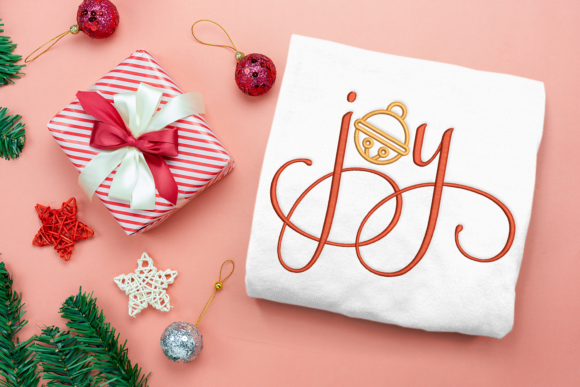
As an embroidery designer who has prepped countless booths for weekend craft fairs, I know the difference between a design that sits on the table and one that walks out the door. When I first looked at Joy with Bell Christmas, I saw exactly the kind of machine embroidery design that catches a customer's eye from three tables away. The word "joy" rendered in a clean, readable typeface with a line art bell replacing the letter O gives this piece a balanced personality—festive without being noisy, elegant without feeling cold. It lands somewhere between farmhouse charm and modern minimalism, which is a sweet spot for handmade market shoppers.
Let me walk through what this design does well, where it might struggle, and how to turn it into a reliable craft fair product that sells across multiple items.
First Impressions and Visual Readability
The most important test for any craft fair product is whether a customer can understand it at a glance. Joy with Bell Christmas passes that test. The word "joy" is short, bold enough to read from a distance, and the bell substitution is instantly recognizable. Shoppers walking past a booth full of embroidered goods will register the message in under two seconds. That matters when you are competing for attention across a crowded aisle.
The line art bell feels deliberate, not gimmicky. It adds a decorative element without overwhelming the lettering. For buyers who prefer subtle holiday touches over full-on Santa scenes, this design offers a polished middle ground. I would describe the overall mood as softly festive—it works for both traditional farmhouse decor and more modern, clean-lined homes.
Best Product Types for Joy with Bell Christmas
Not every embroidery file performs equally across all products. Based on the structure of this design, here is where I see the strongest fit:
Tote Bags and Market Bags
This is the standout application. A tote bag design needs to be readable from arm's length, and the bold lettering of Joy with Bell Christmas delivers. I would place it centered on a canvas tote in natural or cream fabric. The bell detail adds a handmade touch that customers associate with quality. For a craft fair booth, display one finished tote on a hook and stack folded extras beneath it. This design is compact enough to allow for a clean layout without crowding the bag surface.
Tea Towels and Kitchen Linens
Tea towel embroidery is a staple for holiday markets, and this design fits well. The word "joy" reads naturally across the length of a towel. I recommend a hoop size that keeps the lettering proportional—not too large that it overwhelms the towel, not too small that the bell detail becomes lost. The line art bell stitches cleanly on linen or cotton blends. Customers often buy multiple tea towels as hostess gifts, so batch production here is practical.
Aprons
An apron with Joy with Bell Christmas embroidered on the front bib area makes an excellent gift item. The design is compact enough to sit above the waistline without competing with pockets or trim. For craft fair displays, I stitch one sample on a classic canvas apron and let customers imagine it in their own kitchen. The holiday theme is clear without being overly specific to one day, so buyers feel comfortable using it through the entire season.
Embroidered Patches
Patches are a low-cost entry point for customers who want a handmade product without spending on a full tote or apron. Joy with Bell Christmas translates well to a patch format if the lettering remains large enough. I would test this at a smaller hoop size to confirm the bell lines stay crisp. Patches can be pinned on jackets, bags, or even framed as mini art. For a craft fair, a small dish of patches near the register encourages impulse buys.
Pillow Covers and Small Pouches
For pillow covers, this design works best as a centered motif on a euro sham or lumbar pillow. The clean lines fit a farmhouse aesthetic. Small pouches, such as cosmetic bags or pencil cases, benefit from the compact layout. The design does not require a large hoop, which keeps production time reasonable for small items.
Caps
Curved cap surfaces can be tricky for any machine embroidery design. The line art bell and the lettering need to sit flat without distortion. I would only recommend this design on caps if the hoop size is appropriate and the fabric is structured. Test on a curved surface before committing to a batch. If it works, a cap with Joy with Bell Christmas makes a great gift item for men and women alike.
Practical Selling and Production Points
From a booth display perspective, this design photographs well. The word "joy" is easy to read in product photos, and the bell adds a visual anchor that draws the eye. For Etsy listings, I would photograph the design on a neutral background with natural lighting. The simplicity of the design means it does not get lost in a busy listing photo. It also works well in printable mockups for digital sellers who offer design assets.
For batch production, the separated color changes in the embroidery file make it efficient to stitch multiple units. Each color step is clearly defined, which reduces thread changes and keeps the workflow smooth. If you are a small shop product maker running a single machine, you can produce a dozen tea towels in an afternoon without constant adjustments.
The design is versatile enough to work as both a small accent and a focal design. At a smaller hoop size, it becomes a subtle detail on a pouch or patch. At a larger size, it anchors a tote bag or apron. That flexibility is valuable for craft fair sellers who want to offer a range of price points using the same digital embroidery file.
Careful Use Notes for Production Quality
No design is perfect for every surface, and Joy with Bell Christmas has a few considerations I want to flag for anyone planning to sell finished products:
- Stitch density and small lettering: The word "joy" uses four letters, but the "o" is replaced by a bell. If you reduce the design too much, the bell details may crowd together. Always test the design at your intended hoop size before running a batch. If the lettering feels tight, consider a larger hoop size to preserve clarity.
- Fabric texture: On textured towels or thick fabrics, the line art bell may lose some of its crispness. I recommend using a medium-weight stabilizer and testing on a scrap piece of the same fabric. For tea towels, a tear-away stabilizer works well. For canvas totes, a cut-away stabilizer gives better support.
- Dark fabric: The design uses separate color changes. On dark fabric, make sure the thread colors contrast enough that the bell and lettering stand out. Light or metallic thread colors can make the design pop against navy, black, or deep red backgrounds.
- Curved cap surfaces: As mentioned earlier, caps require a curved hoop or a specialized cap frame. The design must sit flat and not distort the lettering. I recommend a test stitch on a practice cap before committing to a production run.
- Hoop size confirmation: The description does not specify the exact hoop size, so check the embroidery file before planning your product dimensions. A design that fits a 4x4 hoop will behave differently than one sized for a 5x7 hoop. Measure the actual stitch area and plan your product layout accordingly.
Visual Appeal, Customer Attention, and Booth Display
At a craft fair, customers scan tables quickly. They look for designs that feel familiar but distinctive. Joy with Bell Christmas offers that combination. The word "joy" is universally understood, and the bell substitution adds a creative twist that signals handmade quality. It does not try to be edgy or overly clever, which actually works in its favor. Shoppers looking for holiday gifts want something they can confidently give to a friend, coworker, or family member without worrying about taste.
For booth display, I would group products featuring this design together. A tote bag, a tea towel, and a small pouch arranged on a tiered stand create a cohesive mini-collection. Customers who like the design on one product will often buy it on another format. Cross-merchandising like this increases average sale value.
The design also supports brand consistency. If you are a boutique maker who sells across multiple shows, using a consistent visual language helps customers recognize your work. Joy with Bell Christmas has a clean, approachable look that fits a range of brand aesthetics—from rustic farmhouse to modern minimalist.
Embroidery Designer Notes for Production
Before you start stitching products for your next craft fair, here are the practical steps I recommend:
- Test on scrap fabric. Always run a test stitch on fabric similar to your final product. Check the stitch density, thread tension, and overall appearance. This is the only way to catch issues before you commit to a batch.
- Check thread contrast. The bell detail and lettering need to read clearly against the background. Hold the thread colors next to your fabric before stitching. If the contrast is too low, choose a different thread color or a different fabric base.
- Review spacing. The design places the bell inside the word "joy." Make sure the spacing between the bell and the surrounding letters feels balanced. If the bell crowds the "j" or the "y," adjust the layout in your embroidery software.
- Confirm hoop size. Know the exact hoop size required for the design. A design that barely fits a 4x4 hoop may not leave room for a margin on the product. Plan your product dimensions accordingly.
- Inspect stitch density. Dense stitching can cause fabric puckering, especially on lighter materials. If the design feels too dense, consider using a lighter stabilizer or reducing the stitch count in your software if possible.
- Use the right stabilizer. For most applications, a medium-weight cut-away stabilizer provides a clean finish. For towels, a tear-away stabilizer works well. For caps, a stiff cap frame with appropriate backing is essential.
- Create at least one real mockup. Do not rely solely on a digital preview. Stitch the design on the actual product you plan to sell. Photograph it for your Etsy listings and bring it to your craft fair booth as a display sample.
- Compare fabric colors. The same design looks different on cream, white, natural, red, green, or blue fabric. Stitch samples on a few color options to see which ones sell best at your market.
- Confirm commercial licensing. Before selling finished products, verify that the digital embroidery file includes commercial use rights. Not all machine embroidery designs allow you to sell the finished items. Respect the license terms and keep records of your purchases.
Final Thoughts on Joy with Bell Christmas for Craft Fair Sellers
Joy with Bell Christmas is a solid machine embroidery design for anyone selling handmade products at craft fairs, holiday markets, or on Etsy. It is readable, versatile, and visually appealing without being overcomplicated. The bell substitution adds a creative touch that sets it apart from standard lettering designs, and the separated color changes make production efficient.
Focus on tote bags, tea towels, and aprons as your primary products. Add patches and small pouches for lower-price options. Test the design on your chosen fabric, confirm the hoop size, and check commercial licensing before you start stitching. With a little preparation, this design can become a reliable bestseller in your holiday lineup.