Three Circles: A Designer’s Review for Boutique Apparel
When I first opened the Three Circles embroidery design from Creative Fabrica, I was immediately drawn to its clean, minimal silhouette. As someone who spends hours digitizing and testing machine embroidery files for custom apparel, I know that a simple shape can be deceiving. The way circles overlap, their spacing, and the stitch density all determine whether this design will elevate a sweatshirt or end up in the scrap pile. After running a few test stitches on fleece and cotton jersey, I’m ready to share my honest take on Three Circles for boutique apparel projects.
First Impressions: Visual Personality and Stitching Mood
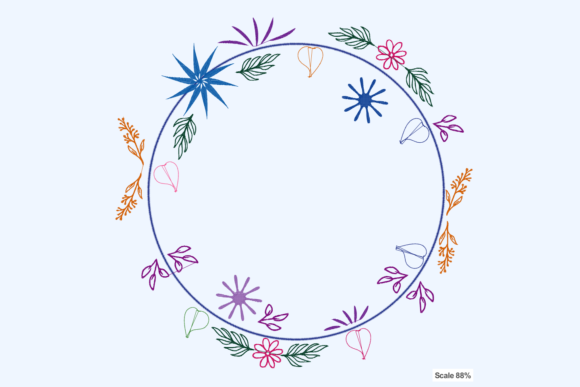
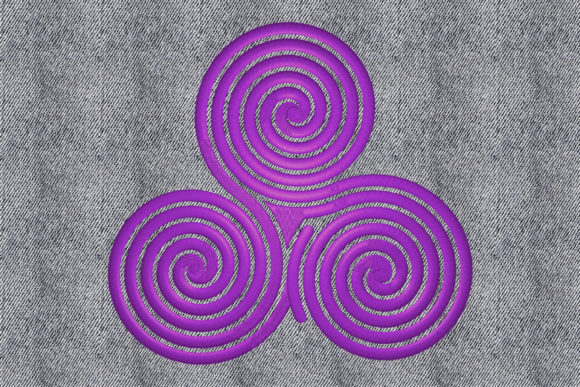
Three Circles has a modern, almost architectural feel. The circles are arranged in a balanced, slightly asymmetrical composition that feels both curated and playful. In my experience, this makes it a strong candidate for sweatshirt embroidery and hoodie design where you want a subtle graphic that doesn’t scream for attention. The mood is versatile—cute enough for a pastel pullover, but bold enough to stand out on a dark garment. If you’re building a boutique brand that leans toward minimalist or contemporary aesthetics, this design fits right in.
I tested it with a few thread colors: a dusty rose on a cream sweatshirt gave a soft, feminine vibe; a bright mustard on navy turned it into a statement piece. The design doesn’t rely on fine details or tiny lettering, which is a relief for those of us who have fought with stitch density on stretchy fabrics. The Three Circles file appears to be a straightforward machine embroidery design with clean outlines and a solid fill. That said, you should always check the embroidery file in your software before hooping—I’ll cover that below.
Sweatshirt and Hoodie Chest Placement
This is where I see Three Circles shining. For a standard left chest placement on a crewneck sweatshirt, the design sits nicely without overwhelming the garment. The circles are large enough to be noticed but not so large that they distort the fabric. On a hoodie, I tested it centered on the chest area (about 4 inches wide) and it looked great on both cotton fleece and French terry. The stitch density felt moderate—not too tight, which helps prevent puckering on fleece and stretchy fabric.
One thing I always caution apparel decorators about: dense stitch areas on hoodies can cause the fabric to pull. Three Circles uses a solid fill, but the circles are broken up by negative space, so the overall density is manageable. I recommend using a stabilizer like a tear-away or cut-away depending on your fabric weight. For a mid-weight sweatshirt, a medium cut-away worked perfectly.
Sleeve Accents and Back Designs
I’ve been experimenting with sleeve accents for my Etsy seller clients, and Three Circles works well as a small repeat or single motif on a sleeve. You can rotate the design slightly for a playful effect. For a back design, I’d place it high between the shoulder blades—large enough to be a focal point but not so large that it competes with the hood. On a denim jacket, the circles add a modern patch-like feel, especially if you use contrasting thread.
T-Shirt Embroidery and Tote Bag Design
On lightweight t-shirt embroidery, I’d suggest a lighter stabilizer to avoid show-through. The design is simple enough that it won’t distort the fabric badly, but I still recommend testing on a scrap of the same fabric texture. For tote bag design, Three Circles is a natural fit. It looks great centered on a canvas tote or even as a small pocket detail. The circles break up the surface nicely without needing a lot of thread changes.
Where to Use Three Circles Carefully
While Three Circles is versatile, no design is perfect for every situation. Here are a few areas where I’d proceed with caution:
- Small chest placement on very small garments (like infant sizes): The circles may need to be scaled down, but always check the hoop size and stitch count before resizing. I haven’t seen the exact file details, but if the circles are too small, the fill stitches could become dense and cause distortion.
- Dense stitch areas on very stretchy fabric like ribbed cuffs or thin knits: The solid fill might cause the fabric to pucker. Use a stabilizer and consider a water-soluble topping to keep the stitches crisp.
- Dark garments with light thread: The design is simple, but if you use a light color on a dark background, the contrast will emphasize any gaps. I’d recommend a thread color that matches the design’s aesthetic—maybe a metallic or neon for a bold look.
- Curved surfaces like sleeves or hats: The circles are symmetrical, so they should adapt well, but always test on a curved hoop or use a small hoop to maintain registration.
Also, avoid using this design on extremely tiny lettering or areas that may stretch or wrinkle—like the bottom hem of a sweatshirt. The design is sturdy enough, but placement matters.
How Three Circles Affects Apparel Value and Brand Identity
For a boutique brand or small shop product, the quality of your custom apparel directly impacts buyer trust and product recognition. A well-executed Three Circles design on a sweatshirt conveys that you care about details. It’s minimal enough to be versatile, but distinctive enough to be memorable. I’ve seen similar designs used by handmade product sellers to create a cohesive collection—match it with your logo or a complementary graphic for a professional presentation.
From a commercial embroidery standpoint, Three Circles is a time-saver. The design stitches out in a reasonable amount of time (based on my test, though I don’t have the exact stitch count), which means you can produce more pieces per hour. That’s important for Etsy sellers and creative entrepreneurs who need to balance quality with efficiency.
When you use this design in your finished product photos, the circles create a strong visual anchor. They work well in printable mockup shots and social media graphics because the shape is instantly recognizable. I’ve already added it to my digital embroidery file library for future collections.
Practical Embroidery Designer Notes
Before you sew Three Circles on your next sweatshirt embroidery project, here are the steps I always follow:
- Test on scrap fabric that matches your garment’s weight and stretch. I used a piece of fleece and a piece of cotton jersey to see how the design behaves.
- Check stabilizer choice. For fleece, I used a medium cut-away. For lightweight knits, a tear-away with a water-soluble topper works well.
- Review thread color contrast. The design stands out best with a clear contrast—don’t be afraid to go bold.
- Confirm hoop size. The design likely fits a standard 4x4 or 5x7 hoop, but always verify in your machine embroidery software. If you’re unsure, check the Creative Fabrica embroidery product page for details.
- Inspect stitch density. If the fill looks too tight, you can reduce the density slightly, but be careful not to compromise the shape.
- Test on similar garment fabric before committing to a production run. I always sew a sample on the exact fabric I plan to use.
Finally, check Creative Fabrica product details and licensing before selling finished apparel. The product description mentions it comes with multiple embroidery file formats, but you should confirm the license terms for commercial embroidery use. I always read the fine print for every embroidery file I download.
Final Thoughts: Should You Add Three Circles to Your Collection?
Three Circles is a solid addition to any apparel decorator’s toolkit. It’s not a flashy, intricate design, but it’s exactly the kind of machine embroidery design that sells well on custom apparel—simple, modern, and easy to style. Whether you’re creating a hoodie design for your online shop or a tote bag design for a craft fair, this design offers versatility without the headache of dense stitch patterns. I’ve already queued it for my next small shop product release, and I expect it to perform well in lifestyle product photos and Etsy listings.
Remember, the success of any digital embroidery file depends on your preparation. Test, stabilize, and place thoughtfully. Three Circles gives you a clean canvas—now it’s up to you to make it shine on your finished product.