Halloween Frame Embroidery Design Review
When I first opened the Halloween Frame machine embroidery design, I immediately saw its potential beyond seasonal decor. As someone who reviews digital embroidery files for small business merch and branded patches, I look for designs that carry weight—not just in thread count but in visual impact. Halloween Frame delivers a balanced, professional aesthetic that feels both festive and commercially viable. It does not scream "craft project." Instead, it reads as a finished product that could sit comfortably on a café apron, a boutique tote bag, or a staff cap without looking out of place.
This review is written from the perspective of a working embroidery designer. I evaluate Halloween Frame based on how it performs in real business scenarios: embroidered patches, uniform accents, custom apparel, Etsy product listings, and commercial embroidery runs. If you are a small business owner, embroidery shop operator, handmade brand, or merchandise creator, this design deserves a close look before you commit thread to fabric.
First Impressions of Halloween Frame
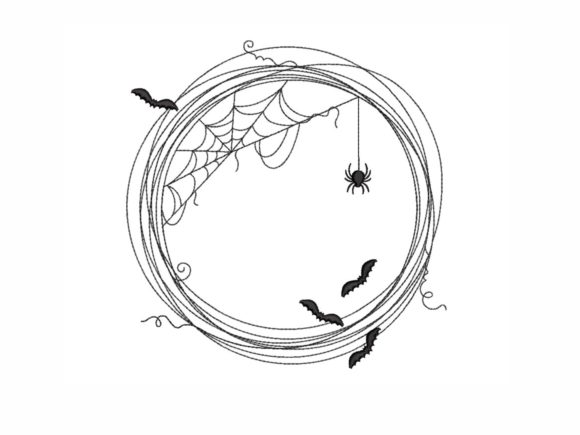
The first thing I noticed about Halloween Frame is its structural clarity. The frame itself creates a natural boundary that contains the design, making it ideal for patch applications. It feels bold yet approachable, with a decorative quality that leans toward handcrafted charm rather than mass-produced gloss. The overall personality is playful but professional—a rare combination in Halloween-themed embroidery. Many Halloween designs skew either too cartoonish or too ornate for business use. Halloween Frame sits in a sweet spot where it can represent a brand’s seasonal offering without sacrificing brand identity.
The design language suggests a handmade, rustic, slightly vintage feel. This makes it especially suitable for small businesses that want to communicate warmth, tradition, and personal attention. A florist, bakery, pet brand, or creative studio could use this design to signal that they care about detail and presentation. The frame shape itself evokes a sense of sturdy craftsmanship, which translates well to finished products like embroidered patches, cap fronts, and apron chest details.
Business Applications for Halloween Frame
In my experience, the best machine embroidery designs for small business merch are the ones that work across multiple product types. Halloween Frame passes that test. Here are the real-world applications I see for this design based on its structure and visual tone:
- Embroidered patches – The frame shape makes it a natural patch candidate. It can be cut, edged, and applied to uniforms, bags, hats, or jackets. For a small business running a limited seasonal run, patches offer flexibility and low commitment.
- Apron embroidery – Coffee shops, bakeries, and florists often use aprons as branded merchandise. Halloween Frame sits well on a chest pocket or center front, adding a festive touch without overwhelming the garment.
- Cap embroidery – The frame design adapts nicely to cap fronts, especially if you keep the size moderate. It works both as a center logo accent and as a side detail.
- Tote bag design – Tote bags are a staple in small business merch. Halloween Frame positioned centrally on a canvas tote creates a strong visual anchor. It pairs well with a brand name stitched above or below.
- Work shirts and uniforms – For a local business that wants seasonal staff shirts, this design offers a professional look. It can be placed on a left chest, sleeve, or back yoke.
- Product packaging accents – Some businesses use embroidered labels or small patches on product packaging. Halloween Frame could serve as a limited-edition seal or tag on candles, soaps, or gift boxes.
- Customer gifts and event merch – If your business hosts a Halloween event or promotion, embroidered items using this design make memorable giveaways.
- Etsy product listings – Digital embroidery file buyers can use Halloween Frame to create finished products for their own shops. The design’s professional finish helps command higher prices.
Where Halloween Frame Shines in Production
From a production standpoint, Halloween Frame has several strengths that benefit commercial embroidery and small business merchandise creation.
The frame structure provides clear stitching boundaries, which helps reduce registration errors. When you are running multiple units for a client, consistency matters. A design with well-defined edges and contained elements is easier to repeat across different garment sizes and fabric types. The stitch density appears balanced—not too heavy that it distorts fabric, but substantial enough to hold shape on textured surfaces like canvas, twill, or denim.
The design also works well with basic thread color palettes. A classic black-and-white test run will reveal the core structure. For a small business, this means you can produce a clean, professional look without investing in specialty threads. Adding a pop of orange or purple for the Halloween season is easy, but the design does not rely on multiple colors to be effective. That is a strong sign of good design architecture.
I recommend using proper stabilizer for this design, especially if you are stitching it as a patch or on heavy fabric. A medium-weight tear-away or cut-away stabilizer will keep the frame edges crisp. If you are stitching on caps or curved surfaces, pay attention to hoop size and fabric tension. The frame shape needs room to breathe—do not force it into a hoop that is too small.
Where to Use Halloween Frame with Care
No design is perfect for every application. Halloween Frame has areas where I would advise caution, especially for small business owners who are new to embroidery production.
- Small patch sizes – If you reduce the design too much, the frame details may lose definition. Test the design at your intended patch size before committing to a run. A minimum size of 2.5 to 3 inches in width is a safe starting point.
- Cap fronts – The frame shape can be tricky on curved cap surfaces. Use a small hoop and cap frame if possible, and test on a sample cap first. The design may need slight rotation or repositioning to sit evenly.
- Curved surfaces – Any garment with pronounced curves, such as sleeve cuffs or collar edges, may distort the frame. Stick to flat or gently curved areas for best results.
- Tiny lettering or fine details – If the design includes small text or thin lines, those elements may not stitch cleanly at reduced sizes. Verify the embroidery file details before production.
- High stitch density areas – Dense stitching can cause fabric puckering, especially on lightweight materials. Use a stabilizer suited to the fabric weight, and consider a test stitch-out on a scrap piece.
- Dark uniforms – Dark fabrics may require a lighter underlay or a white thread base to make the design pop. Check thread color contrast carefully. A black-on-black look can be elegant, but only if the design has enough texture to be visible.
- Items that need frequent washing – For aprons, uniforms, or tote bags that will be washed often, use a high-quality stabilizer and thread. The frame edges should be well-secured to prevent fraying over time.
How Halloween Frame Affects Brand Identity
Brand identity is everything in small business. When you add an embroidered design to a product, you are making a statement about your values, your attention to detail, and your relationship with your customers. Halloween Frame communicates craftsmanship, seasonal awareness, and a respect for tradition. It tells customers that you care about the finished product, not just the concept.
For a local café or bakery, using this design on aprons and tote bags during October signals that your business is part of the community’s seasonal rhythm. It builds customer trust because it shows you are willing to invest in your presentation. For a boutique or handmade brand, Halloween Frame adds a layer of visual consistency across your product line. When customers see the same frame shape on a patch, a bag, and a shirt, they start to recognize it as part of your brand language.
The design’s handmade product feel also supports product value. Embroidered items often sell at a premium because they are perceived as more durable and personal. When you apply Halloween Frame to your merchandise, you are not just decorating—you are elevating the product’s perceived worth. This is especially important for Etsy sellers and craft business owners who compete in a crowded marketplace. A well-placed, well-stitched design can be the difference between a casual browser and a paying customer.
On the buyer engagement side, seasonal designs create emotional connection. Halloween is a time of nostalgia, fun, and community. Halloween Frame taps into that sentiment without being overly literal or gimmicky. It gives customers a reason to buy, wear, and share your products. That word-of-mouth marketing is invaluable for small businesses.
Practical Embroidery Designer Notes
Before you start production, here are the steps I recommend taking with Halloween Frame:
- Test it in black and white first – A single-color test run reveals the design’s structure, stitch density, and any potential registration issues. It also helps you evaluate whether the design works as a monochrome patch.
- Check if it works at small patch size – Scale the design to your intended patch or garment size and stitch a sample. Look for thread breaks, gaps, or distortion.
- Review thread color contrast – The design should read clearly against the fabric. High contrast, such as orange thread on navy fabric, will make the design pop. Low contrast can work for subtlety, but only if the stitching is clean.
- Inspect spacing – The frame elements should have enough space between them to avoid overlapping or muddiness. If the design feels crowded, consider a larger size or a simpler thread palette.
- Confirm hoop size – Make sure your hoop can accommodate the design at the intended size. A too-small hoop will cause stitching errors. A too-large hoop may cause fabric shifting.
- Test on real fabric – Always stitch a sample on the exact fabric you plan to use. Canvas, twill, cotton, denim, and performance fabrics all behave differently. Adjust stabilizer and tension accordingly.
- Use proper stabilizer – For patches, a tear-away stabilizer is usually sufficient. For garments that will be washed, a cut-away stabilizer provides better longevity. For caps, use a cap-specific stabilizer system.
- Create a mockup for client approval – If you are producing for a client, show them a digital mockup first. This saves time, thread, and fabric. A simple printable mockup can be made using the design file and a photo of the garment.
- Compare it beside other design assets – If your business already uses other embroidery designs, stitch Halloween Frame beside them to ensure visual consistency. The frame style should complement your existing brand language.
- Confirm commercial licensing – Before using the design for business purposes, check the licensing terms of the digital embroidery file. Some designs are for personal use only. Make sure you have the right to produce and sell finished products.
Final Thoughts on Halloween Frame for Small Business Merch
Halloween Frame is a dependable, visually appealing machine embroidery design that works well for a wide range of small business merchandise and branded patch applications. Its frame structure gives it a natural boundary that makes it easy to apply, while its decorative yet professional tone supports brand identity and customer trust. Whether you are stitching aprons for a local café, producing limited-edition patches for an Etsy shop, or creating seasonal uniforms for a boutique, this design can elevate your finished product.
As with any embroidery project, the quality of the finished product depends on your preparation. Test the design, choose the right stabilizer, and pay attention to thread color and fabric texture. If you do that, Halloween Frame will serve your business well through the season and beyond.